Phoenix Cinema Curtain Cleaning Finchley Specialist Care
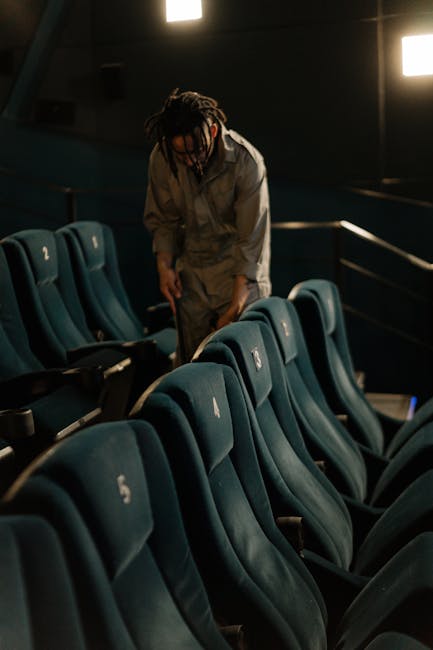
If you manage, maintain, or simply care about a cinema in Finchley, curtain cleaning is one of those jobs that looks straightforward right up until you actually need it done properly. Phoenix Cinema Curtain Cleaning Finchley Specialist Care is about more than making fabric look tidy. It is about protecting a venue's atmosphere, reducing dust and odours, and keeping heavy drapes in good working condition without causing shrinkage, colour loss, or damage to linings.
In a cinema, curtains work hard. They absorb airborne dust, hold onto smells from food and footfall, and can collect grime in pleats, hems, and folds that regular vacuuming barely touches. That is why specialist care matters. In this guide, you will find a practical, plain-English explanation of how professional curtain cleaning works, when it makes sense, what to avoid, and how to choose the right approach for a cinema environment in Finchley.
Why Phoenix Cinema Curtain Cleaning Finchley Specialist Care Matters
Cinema curtains do a lot of quiet work. They frame the room, dampen light, soften acoustics, and help create that "the film is about to start" feeling. But they also sit in one of the most demanding indoor environments you can imagine. You have warm air, repeated opening and closing, dust from carpets and seating, fingerprints from handling, and the occasional spill drifting through the room. To be fair, they collect the kind of dirt that most people do not notice until it has built up over months.
Specialist care matters because curtain fabric is often heavier, more delicate, or more layered than domestic drapes. Some cinema curtains are lined, interlined, velvet, or treated for fire performance. Others are oversized and awkward, which means the cleaning method has to suit the fabric and the installation. A blunt one-size-fits-all approach can leave water marks, crushed pile, uneven drying, or even distorted hems. Not ideal when the whole room depends on a polished presentation.
There is also a hygiene and presentation angle. Dust and odour build-up can make a venue feel older than it is, and in a busy cinema that can affect the customer experience. You know the feeling: the room looks clean at a glance, but the air feels a bit stale. Specialist curtain cleaning helps tackle that subtle impression. Small thing, big effect.
For businesses looking to keep every part of the venue in order, it often sits alongside deep cleaning, commercial cleaning, and even office cleaning when back-of-house areas need attention too. The point is simple: clean curtains support the overall standard of the building, not just one room.
How Phoenix Cinema Curtain Cleaning Finchley Specialist Care Works
Professional curtain care starts with identification, not cleaning. A good cleaner first checks the fabric type, construction, lining, any stitching weaknesses, and whether the curtains are suitable for on-site treatment or should be taken down and cleaned elsewhere. That first inspection is where a lot of damage is prevented. It is a bit like checking the label on a coat before you throw it in the wash - boring, yes, but absolutely worth it.
In cinema settings, the method may involve careful vacuuming with upholstery attachments, low-moisture treatment, specialist stain removal, or a controlled steam-based process if the fabric allows it. Some curtains can be cleaned in place; others are better handled off-site or with low-disturbance techniques to avoid downtime. The right choice depends on material, size, access, and how quickly the room needs to be back in use.
Specialist care also means paying attention to detail spots that non-specialists often miss. Curtain hems trap dust. Pleats hold scent. Tops near rails and tracks can gather greasy residue from touch and air movement. If there are stains from drink splashes, makeup, or hand contact, those areas are usually treated separately rather than soaked across the full panel. That reduces the chance of tide marks and colour fade.
For venues that want a broader fabric refresh, curtain work may be planned with upholstery cleaning or curtain cleaning as part of a wider maintenance cycle. That is often the sensible route, really. Treat the textiles as a system, not as isolated jobs.
Key Benefits and Practical Advantages
The obvious benefit is a cleaner appearance. Fresh curtains instantly improve the feel of an auditorium, foyer, or screening space. But the practical value goes deeper than looks.
- Better presentation: Clean drapes help the room feel cared for, which matters in hospitality-led spaces like cinemas.
- Odour reduction: Fabric can absorb food smells, damp air, and general indoor traffic odours over time.
- Fabric longevity: Regular specialist care can reduce abrasive dust build-up and slow premature wear.
- Improved comfort: Less dust on soft furnishings can make a space feel fresher for guests and staff.
- Reduced disruption: Planned professional cleaning is often less disruptive than repeated ad hoc touch-ups.
- More consistent standards: The venue presents more uniformly across auditoriums, corridors, and event spaces.
A quieter benefit, and one businesses sometimes underestimate, is consistency. If one curtain looks crisp and another looks tired, the difference is noticeable. People may not comment on it directly, but they feel it. And cinema is all about feeling, isn't it?
There is also a maintenance advantage. Curtains that are cleaned before dirt becomes deeply embedded are usually easier to restore and less likely to need aggressive treatment later. That can be especially useful in older Finchley venues, where original textiles or bespoke installations need a gentler touch.
Who This Is For and When It Makes Sense
This type of specialist care is useful for cinema owners, venue managers, facilities teams, cleaning contractors, and property managers responsible for entertainment spaces in Finchley. It is particularly relevant if the curtains are decorative, acoustically important, or part of the branding of the venue.
You may need it if:
- the curtains are visibly dusty, dull, or patchy;
- there are lingering odours that regular cleaning has not removed;
- the fabric has started to look flattened or marked along lower edges;
- the venue has hosted events, parties, or busy seasonal screenings;
- the curtains are part of a period interior or premium auditorium design;
- you need to reduce allergen load in a soft-furnishing-heavy space;
- there has been a spill, splash, or localised stain that needs careful treatment.
It also makes sense during planned maintenance windows, before reopening after refurbishment, or ahead of a busy film season. A lot of venues leave this job too late, then scramble when the room starts looking a bit flat. There is no drama in prevention. In fact, that is the best kind of cleaning: the kind nobody notices because everything already looks right.
For venues that manage multiple areas, curtain care often fits well with communal area cleaning and commercial carpet cleaning, especially where foot traffic and soft fabrics are both part of the problem.
Step-by-Step Guidance
Here is a sensible workflow for specialist cinema curtain care. It is deliberately practical rather than fancy.
- Inspect the fabric and fitting. Check material, lining, stains, condition of seams, and access around the track or rail.
- Test discreetly. A small hidden area should be checked for colour stability and reaction to the chosen cleaning method.
- Remove loose dust first. Dry soil should be lifted before any moisture is introduced. Skipping this step tends to smear dirt around.
- Target stains carefully. Treat marks locally where possible, rather than flooding the whole panel.
- Clean with the right method. Use low-moisture, steam, or controlled fabric-safe techniques depending on the material.
- Control drying. Good airflow matters. Trapped moisture in thick curtains can cause odour or ripple marks.
- Check the finish. Look for even colour, texture recovery, and any areas that need a second careful pass.
The best results usually come from a measured process, not from the most powerful machine in the room. That may sound obvious, but plenty of fabric damage starts with someone deciding "more pressure will fix it." Usually it doesn't.
If the curtains are heavy, layered, or difficult to access, there may be a case for planning the work around one-off cleaning or deep cleaning so the whole venue gets a coordinated refresh instead of isolated patchwork.
Expert Tips for Better Results
Good curtain cleaning is often about restraint. Here are the habits that tend to make the biggest difference in real-world jobs.
- Vacuum before anything else. Dry debris is easier to remove before moisture turns it into mud. Simple, but crucial.
- Work from top to bottom. It helps prevent re-soiling the cleaned areas.
- Do not rush drying. Thick fabrics need proper airflow. If possible, schedule work at a quiet time.
- Protect the surrounding finishes. Tracks, walls, trims, and floor edges should be guarded during treatment.
- Handle stains individually. Drink splash, grease, or hand marks may need different solutions.
- Be realistic about age. Some fading, wear, or sun damage cannot be cleaned away. That is not failure; it is just the material telling the truth.
One practical tip people often forget: ask how the cleaner will assess the curtain's pile, weave, or finish. Velvet, for example, can react very differently from flat woven fabric. A good specialist explains the likely outcome before starting, not afterwards when everyone is staring at a slightly streaky panel and pretending it was always like that.
If your venue also needs soft furnishing support, combining the visit with sofa cleaning or mattress cleaning can be efficient, especially where staff areas or guest zones are part of the same maintenance cycle.
Common Mistakes to Avoid
Most curtain problems come from rushing, over-wetting, or using the wrong approach for the fabric. The mistakes below are common enough that they are worth spelling out.
- Cleaning without a fabric test. This can lead to colour bleeding or texture changes.
- Using too much moisture. Heavy curtains hold water longer than you think.
- Ignoring the lining. The face fabric may look fine while the lining still carries dust and smell.
- Scrubbing stains aggressively. That can flatten pile or spread the mark.
- Forgetting the track area. Dust builds up where the curtain hangs, not just on the visible panel.
- Cleaning too late. Deep soil is harder to remove and more likely to leave permanent dullness.
Another mistake is assuming all curtain cleaning is the same as upholstery cleaning. It is not. The hanging structure, fabric weight, and risk of distortion make it a different job entirely. Sometimes similar tools are used, yes, but the judgement call is what matters.
And if the venue is in the middle of another project, such as after builders cleaning or facade cleaning, it is worth planning the curtain work after dusty trade activity is complete. Otherwise you are cleaning the same dust twice. Nobody wants that.
Tools, Resources and Recommendations
Specialist curtain cleaning usually relies on a few core tools and processes rather than one magic device. The exact kit depends on fabric and access, but a reliable setup often includes:
- upholstery or soft-brush vacuum attachments;
- microfibre cloths for local detailing;
- fabric-safe stain treatment products;
- controlled steam or low-moisture equipment where suitable;
- protective sheets or floor guards;
- air movers or ventilation support for drying.
For venue managers, the most useful "resource" is often a cleaning plan. It should say which curtains are cleaned, how often, who checks for damage, and what to do if a stain appears between visits. That kind of practical note saves a lot of confusion later.
It also helps to keep a simple condition log. Nothing fancy. Just notes like: fabric type, last cleaned date, visible wear, and any areas that need extra care next time. In busy commercial settings, good records are boring in the best possible way.
When comparing service providers, useful pages such as pricing and quotes, insurance and safety, and health and safety policy can help you understand how a company operates before you book.
Law, Compliance, Standards, or Best Practice
For cinema curtain cleaning, the main compliance focus is usually safety, responsible product use, and care of the premises rather than any single dramatic rule. In the UK, commercial cleaning work is normally expected to follow sensible health and safety practice, safe handling of cleaning agents, and a risk-aware approach to the site. If the curtains are treated, lined, or fire-retardant, the cleaning method should be chosen carefully so those properties are not compromised.
Best practice usually means:
- checking fabric suitability before treatment;
- using staff with the right experience for commercial textiles;
- protecting occupants, surfaces, and equipment during the job;
- following product instructions and safety guidance;
- drying textiles thoroughly to reduce odour or microbial issues;
- documenting any limitations or pre-existing wear.
In public-facing buildings, it is also sensible to think about access and disruption. If work needs to happen while the venue is live, you want a plan that keeps guests comfortable and staff informed. No one enjoys being surprised by a wet corridor or a blocked aisle five minutes before showtime.
Service transparency matters too. Pages like terms and conditions, payment and security, and recycling and sustainability help show that a provider takes process and responsibility seriously. Not glamorous, perhaps, but reassuring.
Options, Methods, or Comparison Table
Different curtain situations call for different methods. The right one depends on material, soil level, access, and downtime. Here is a simple comparison to help you think it through.
| Method | Best for | Strengths | Watch-outs |
|---|---|---|---|
| Dry vacuum cleaning | Light dust and routine maintenance | Quick, low-risk, minimal disruption | Won't remove deep staining or strong odours |
| Low-moisture fabric cleaning | Most commercial curtains with moderate soil | Good balance of cleaning power and control | Needs careful technique and drying |
| Steam-based treatment | Suitable robust fabrics and deeper refreshes | Can help with odour and embedded dirt | Not right for every textile; excess heat can be risky |
| Off-site specialist cleaning | Heavy, valuable, or delicate curtains | More controlled treatment and finishing | Requires removal, transport, and scheduling |
In real life, the choice is rarely dramatic. It is usually a sensible compromise between preservation and performance. A heavily lined curtain in a premium screen room may need a different approach from a lighter decorative drape in a lobby. That is where experience earns its keep.
Case Study or Real-World Example
Imagine a Finchley cinema with a main screening room that has broad velvet-style curtains framing the screen and heavier drapes near the side walls. The manager notices a build-up of dust at the bottom edges and a faint popcorn-and-sweet smell that never quite leaves the room, even after routine cleaning. There are no major stains, but the fabric looks a little tired in daylight and dull under house lights.
A specialist inspection finds that the curtains are sound but need controlled cleaning, not a harsh wash. The cleaner vacuums the fabric first, tests a hidden area, and treats the lower sections more carefully because they carry the most soil. The room is ventilated properly during and after treatment. The result is not a dramatic makeover - this is not one of those miracle adverts - but the fabric looks deeper in colour, the air feels fresher, and the room presents better when the lights come up.
That sort of outcome is typical when the method matches the material. The curtains do not need to look "new"; they need to look cared for, consistent, and suitable for a commercial cinema space. Truth be told, that is usually what people notice most.
If the same venue were also scheduling carpet cleaning or window cleaning, coordinating the tasks can reduce downtime and give the room a more complete reset in one visit.
Practical Checklist
Use this quick checklist before booking or carrying out cinema curtain cleaning in Finchley:
- Identify the fabric type and lining.
- Check whether the curtains are fire-treated or unusually delicate.
- Note visible stains, odours, or dusty edges.
- Decide whether cleaning can happen in place or off-site.
- Confirm drying time and room access needs.
- Ask what test area, if any, will be used first.
- Protect nearby floors, walls, and fixtures.
- Plan the work outside peak visitor hours where possible.
- Keep a record of any pre-existing wear or damage.
- Review the follow-up maintenance plan after cleaning.
Expert summary: The best curtain cleaning for a cinema is careful, fabric-led, and planned around the venue's schedule. If the method is chosen well, you get cleaner textiles, a fresher room, and fewer future headaches.
Get a free quote today and see how much you can save.
Conclusion
Phoenix Cinema Curtain Cleaning Finchley Specialist Care is really about protecting the atmosphere of the venue while keeping the fabric in good shape for the long term. The right approach respects the material, avoids over-wetting, and fits around the realities of a working cinema. That balance matters. It is not just cleaning for cleaning's sake; it is care that supports presentation, comfort, and reliability.
If you take one thing from this guide, let it be this: curtains in a cinema need a specialist eye, not a generic tidy-up. The quieter the cleaning process feels, the better the result often is. And when the room looks crisp, smells fresher, and feels ready for the next audience, that is a small win that adds up.
In a busy venue, those small wins matter more than people think. One good job, then another, and suddenly the whole space feels looked after.
Frequently Asked Questions
What does Phoenix Cinema Curtain Cleaning Finchley Specialist Care actually involve?
It usually means a fabric-led cleaning process for cinema curtains that may include vacuuming, stain treatment, controlled low-moisture cleaning, careful drying, and inspection for damage or wear. The goal is to clean without distorting the fabric or harming the finish.
How often should cinema curtains be cleaned?
That depends on footfall, fabric type, ventilation, and how quickly dust or odours build up. In a busy cinema, a routine inspection followed by planned specialist cleaning is often better than waiting until the fabric looks obviously dirty.
Can heavy cinema curtains be cleaned in place?
Sometimes yes, but not always. In-place cleaning works best when access is good and the fabric can tolerate the method chosen. Very heavy, delicate, or valuable curtains may be safer off-site or handled with a more controlled approach.
Will curtain cleaning remove all stains?
Not always. Fresh spills and surface marks are more likely to respond well than older, set-in stains. Age, fabric type, and previous cleaning attempts all affect the result. A good specialist will be honest about what is realistic.
Is steam safe for cinema curtains?
Sometimes, but only on suitable fabrics and with the correct technique. Steam can be useful for some textiles, yet it can also cause damage if the fabric is delicate, lined, or prone to shrinkage. That is why testing matters.
What are the signs that curtains need professional attention?
Common signs include dull colour, dusty hems, lingering odours, visible marks, flattened pile, and a general feeling that the room looks tired even after routine cleaning. Sometimes the difference is subtle at first, then obvious all at once.
How long does curtain cleaning take?
It varies widely depending on curtain size, fabric, access, and drying requirements. A small decorative set is very different from a large auditorium installation. Drying time can be just as important as cleaning time, so it is best to plan ahead.
Do I need to close the cinema during cleaning?
Not necessarily. Some work can be scheduled around operating hours, especially if the method is low-disruption. But larger or more delicate jobs may require sectioning off the room or planning the work during quieter periods.
Can curtain cleaning help with odours?
Yes, particularly when odours are sitting in the fabric rather than coming from another source in the room. Food smells, stale air, and general usage odours often improve when curtains are properly cleaned and dried.
How do I compare cleaning providers for cinema curtains?
Look for evidence of fabric-specific care, clear safety practices, sensible drying plans, and transparent service information. Useful pages to review include pricing, insurance, and terms. If the provider explains limitations clearly, that is usually a good sign.
Can curtain cleaning be combined with other venue cleaning?
Yes, and often that makes the most sense. Curtain care is commonly paired with carpet cleaning, upholstery cleaning, deep cleaning, or wider commercial cleaning so the venue gets a coordinated refresh rather than a patchy one.
What should I do before the cleaners arrive?
Confirm fabric details if you have them, clear access around the curtains, note any stains or damage, and check the timing so drying and room use can be planned properly. A few minutes of preparation can save a lot of back-and-forth later.