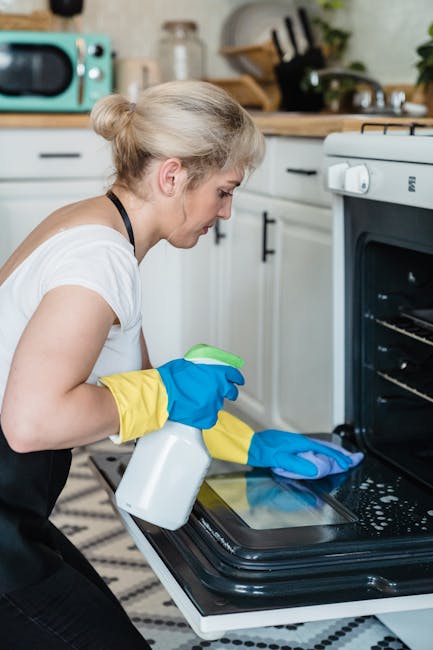
Guide to Oven Cleaning Costs Finchley N3 Insider Tips
If you have been putting off oven cleaning because the job looks messy, time-consuming, or just plain grim, you are not alone. Many Finchley homeowners and renters ask the same thing: what should oven cleaning cost in N3, and how do you tell a fair quote from an inflated one? This guide to oven cleaning costs Finchley N3 insider tips is built to answer that clearly, with practical advice you can actually use before booking. Truth be told, a good clean can make the whole kitchen feel brighter, warmer, and far less stressful. And yes, the smell difference alone can be worth it.
Below, you will find a clear breakdown of what affects pricing, when professional help makes sense, how to compare services, and the little details that can help you avoid paying more than you need to. If you want a broader look at related household services while you compare options, you may also find the company's deep cleaning service and domestic cleaning support useful for context.
Why Guide to Oven Cleaning Costs Finchley N3 Insider Tips Matters
Oven cleaning sounds simple until you actually open the door and see the baked-on grease, trays with stubborn residue, and that dark glass that never quite looks clean no matter how long you scrub. In Finchley N3, where busy family routines, shared rentals, and compact kitchens are common, oven cleaning costs are not just about a shiny appliance. They are about time, convenience, and avoiding the sort of deep scrub that leaves your hands sore for a day or two. Or three, if you really went at it.
Understanding the price also helps you avoid one of the most common mistakes people make: comparing quotes without checking what is included. One company may quote for the main cavity only, while another includes racks, trays, fan covers, seals, glass, and hob surrounds if relevant. That difference can make a seemingly cheap price turn out not so cheap after all.
There is another reason this matters locally. Finchley homes vary quite a bit, from older properties with older appliances to newer flats with integrated ovens. The condition, access, and size of the oven all affect the time needed. A standard single oven in decent condition is a very different job from a neglected range cooker that has been through a few Sunday roasts and the odd accidental spill-over.
Expert summary: the best oven cleaning quote is not always the lowest one. The right price is the one that clearly matches the actual work, the oven type, and the result you want.
How Guide to Oven Cleaning Costs Finchley N3 Insider Tips Works
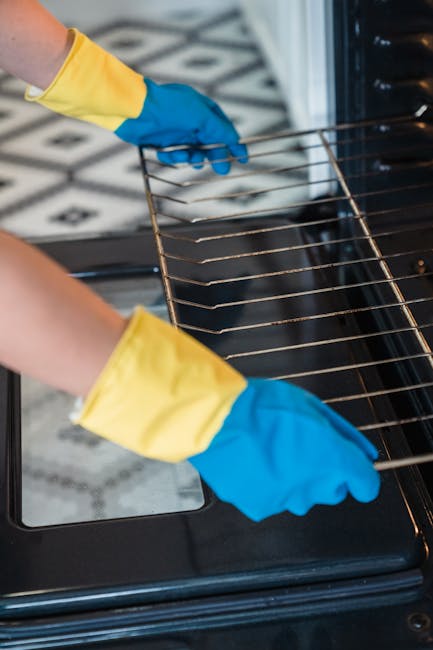
Professional oven cleaning usually follows a fairly simple process, though the equipment and method can vary. A technician will assess the oven type, check how much buildup there is, remove detachable parts where possible, and clean the interior using suitable products and tools. In many cases, the racks, shelves, fan cover, glass panels, and door seals are treated separately for a more thorough finish.
Most pricing models are based on a combination of oven size, level of grime, and whether the service is a standard clean or a more detailed restorative clean. Some providers may also adjust pricing for combination appliances, hobs, extractor areas, or range cookers. If the cleaner needs extra time because the oven has not been maintained for a while, that may also influence the final figure. Fair enough, nobody can polish through years of neglect in ten minutes.
In practical terms, the cost structure often works like this:
- Single oven: usually the baseline price.
- Double oven: higher due to added surfaces and extra parts.
- Range cooker: more expensive because of size and complexity.
- Heavily soiled oven: may carry a premium if significant time is needed.
- Extras: hob, extractor, trays, or racks may be included or charged separately.
Some cleaners also offer discounted bundles when an oven clean is booked alongside a wider service such as one-off cleaning or end of tenancy cleaning. That can be useful if you are moving, preparing a rental inspection, or simply tackling the whole kitchen in one go.
Key Benefits and Practical Advantages
The first benefit is obvious: a cleaner oven works better and looks better. But the real advantages go further than appearances. A well-cleaned oven tends to heat more evenly, smoke less, and reduce lingering smells from burnt-on residues. That means better cooking results and fewer embarrassing moments when the kitchen fills with that sharp, acrid smell halfway through dinner.
There is also a practical money angle. If your oven is kept in decent condition, you are less likely to face the kind of deep, awkward build-up that makes future cleaning more expensive. Regular maintenance can stretch the time between heavy cleans. That is especially handy in family homes or shared houses where ovens get used daily and hard-working appliances take a bit of punishment.
Other real-world benefits include:
- Time saved: a professional clean can take hours off your weekend.
- Better presentation: useful before a tenancy handover or a property viewing.
- Reduced stress: no need to battle with caustic sprays and endless scrubbing.
- Improved hygiene: grease, crumbs, and old spills are removed more thoroughly.
- Longer appliance life: less residue can mean less strain on the oven over time.
If you are comparing whole-home upkeep options, it can help to view oven cleaning as part of the wider maintenance picture, much like house cleaning or regular cleaning. That broader view often makes the budget easier to plan.
Who This Is For and When It Makes Sense
This guide is useful for anyone in Finchley N3 who is deciding whether to clean an oven themselves or hire a professional. It is especially relevant if the appliance is used frequently, you are short on time, or you need a reliable result for a move-out, landlord inspection, or family occasion.
You might want a professional oven clean if:
- the oven has heavy grease or burnt-on carbon buildup
- you are moving out and want the kitchen to present well
- you have a rental inspection coming up
- the glass door is cloudy and hard to restore by hand
- the cooker has multiple compartments or a complicated layout
- you simply do not want to spend your Saturday with gloves on and a scraper in hand
It also makes sense if you have tried store-bought products and got only partial results. To be fair, many people do. DIY oven cleaning often works for light soil, but once the grime has been heat-baked for months, the job becomes a lot more stubborn. A professional approach is usually more efficient in those cases.
For landlords and tenants, the decision can be more strategic. A properly cleaned oven can reduce disputes at the end of a tenancy, particularly when the rest of the property is already being arranged through services like move out cleaning or move in cleaning.
Step-by-Step Guidance
Here is a practical way to approach oven cleaning costs in Finchley N3 without overcomplicating things.
- Identify your oven type. Single, double, range, built-in, or combination. This is the first pricing signal.
- Assess the condition honestly. Light maintenance soil costs less than thick grease and carbon deposits.
- Check what is included. Racks, trays, door glass, seals, knobs, and extractor parts may or may not be covered.
- Ask about access and setup. Tight kitchen layouts, parking limits, or difficult access can affect the appointment flow.
- Compare like for like. A lower quote is only useful if the scope matches the others.
- Book based on value, not just price. A clean that lasts longer is often the better buy.
Before the cleaner arrives, a little preparation helps. Remove food, clear the area around the cooker, and make sure there is a decent working space. Nothing dramatic. Just enough that the process starts smoothly rather than with a shuffle around stacked pans and a rogue chopping board. If you are booking alongside other services, many people choose to line it up with broader appliance or fabric care such as oven cleaning on its own or paired with kitchen-focused deep cleaning where relevant. If the exact phrase feels a bit off, just think of it as a wider kitchen reset.
A useful rule of thumb: if you cannot remember the last time the oven was properly cleaned, assume the job will need more than a quick wipe. That way, you plan realistically and avoid disappointment.
Expert Tips for Better Results
Here are the small things that often make a noticeable difference. Nothing flashy. Just the kind of details that save time, money, and a bit of faff.
- Book before heavy build-up sets in. Routine cleaning is usually easier and more cost-effective than rescue work.
- Ask what products are used. This matters if you have pets, children, or sensitivity to strong smells.
- Check whether oven parts are removed. Proper dismantling, where safe and appropriate, usually gives a better result.
- Clarify drying time. Some ovens can be used again quite quickly, but you should always follow the cleaner's advice.
- Take photos before and after. Handy for landlords, tenants, or just your own peace of mind.
- Look for transparent pricing. Clear scope usually beats vague promises.
A small local insight: if you live in a flat or a property with limited parking, mention that early. It sounds minor, but it can affect arrival time and setup. In a busy stretch of Finchley, little logistical details like that make life smoother for everyone.
And yes, if you are the type who cleans the oven only when someone important is coming over, you are in fairly common company. No judgement.
Common Mistakes to Avoid
One of the biggest mistakes is focusing only on the headline price. A quote that looks cheap can become expensive if key parts are excluded. Always check what is actually being cleaned. If the provider does not spell that out clearly, ask.
Another common issue is using the wrong product or too much force during DIY cleaning. Harsh scouring can scratch enamel, damage seals, or leave residue behind. Strong chemicals can also create poor ventilation issues if used carelessly. The goal is a clean oven, not a kitchen that feels like a chemistry experiment gone slightly wrong.
Other mistakes include:
- booking the service too late before a tenancy check or event
- not mentioning especially heavy buildup in advance
- forgetting to ask whether trays and racks are included
- assuming all ovens are priced the same
- trying to cut cost by skipping key parts of the job
To be honest, the most expensive clean is usually the one that has to be repeated because the first service missed the awkward bits. Better to ask a few direct questions now than deal with it later.
Tools, Resources and Recommendations
If you are handling light maintenance between professional visits, keep things simple. A soft cloth, non-abrasive sponge, gloves, and a mild oven-safe cleaner are usually enough for regular touch-ups. Avoid using metal scrapers unless you are certain they are safe for the surface. For many modern ovens, gentle care is better than aggressive scrubbing.
If you want a wider home-cleaning plan, it can help to think in zones. Kitchens often pair naturally with services like deep kitchen attention through a broader deep cleaning approach, while nearby rooms may benefit from upholstery cleaning or carpet cleaning if you are tackling the home as a whole.
Useful recommendations include:
- keep a regular wipe-down habit after roasting or grilling
- place a tray or liner where safe to catch drips
- book periodic professional cleans rather than waiting for a crisis
- choose a company that explains what is included in plain English
- make sure any cleaning approach suits the appliance manufacturer's guidance
If you are comparing providers, pricing and quotes is a sensible page to review alongside service pages. It helps you understand how the business frames value, not just the end number on the invoice.
Law, Compliance, Standards, or Best Practice
For most homeowners and tenants, oven cleaning is straightforward domestic work rather than a regulated trade in the legal sense. Still, there are sensible standards to expect. Providers should work safely, use suitable products, and avoid damaging your appliance or surrounding surfaces. If a cleaner is using chemicals, good ventilation and careful handling matter, especially in smaller kitchens.
Insurance is another sensible check. A provider with appropriate cover is better prepared if something goes wrong, and that reassurance matters. You should also expect basic professionalism around access, conduct, and respect for your property. If a company handles your home carefully, that is a very good sign.
From a best-practice perspective, you want:
- clear communication before the visit
- transparent pricing and scope
- careful handling of parts and surfaces
- safe use of products and equipment
- proper attention to post-clean use instructions
If you are the cautious type, that is a good thing here. You are not being fussy. You are being sensible. For further reassurance about how a company approaches trust and service quality, pages like insurance and safety, health and safety policy, and terms and conditions are worth reviewing.
Options, Methods, or Comparison Table
There is more than one way to handle an oven clean, and the best choice depends on your budget, timeline, and how dirty the appliance is. Here is a simple comparison.
| Method | Best For | Pros | Limitations |
|---|---|---|---|
| DIY light clean | Minor grease and recent spills | Lowest cost, quick maintenance | Can be tiring, less effective on baked-on residue |
| Standard professional clean | Regular household ovens | Good balance of cost and result | May cost more than DIY, depends on provider scope |
| Deep or restorative clean | Heavy buildup or neglected ovens | Best visual and hygiene result | Usually the highest price |
| Bundle with other cleaning | Move-out, spring clean, full property refresh | Convenient and often better value | Requires broader planning |
For many Finchley households, the middle option is the sweet spot. Not too basic, not over-the-top. Just a proper clean that gets the job done without turning the whole week into a project. If you are already preparing a home for guests or tenants, pairing the oven with wider services such as end of tenancy cleaning or house cleaning can make practical sense.
Case Study or Real-World Example
Here is a realistic Finchley scenario. A family in N3 had a built-in double oven that had not been properly cleaned for a long stretch. Everyday cooking had left the inside dull, the glass door streaked, and the lower compartment showing stubborn grease around the edges. They first considered doing it themselves, but after one evening of scrubbing and very little progress, they decided it was not worth losing half a weekend.
After booking a professional service, the cleaner assessed the oven, removed the internal components where appropriate, and focused on the grease-heavy areas first. The result was not just a cleaner appliance. The kitchen felt fresher, the oven ran more cleanly, and the family did not have to spend Saturday afternoon elbow-deep in residue. Small victory, but a real one.
What made the difference was not magic. It was simply matching the service to the condition of the oven. Had the oven been cleaned more regularly, the price would likely have been lower and the appointment shorter. That is the pattern most people notice only after the fact.
Practical Checklist
Use this quick checklist before you book oven cleaning in Finchley N3:
- Confirm your oven type and size
- Note whether the oven is lightly soiled or heavily built up
- Ask exactly what is included in the quote
- Check whether racks, trays, and glass panels are cleaned
- Ask about products used and whether they suit your household needs
- Confirm any extra charges for range cookers or severe buildup
- Make sure access and parking details are shared in advance
- Prepare the kitchen space so the clean can start smoothly
- Ask how long before the oven can be used again
- Review insurance, safety, and service terms if you want added reassurance
Quick take: the best way to control oven cleaning costs is to be clear about the oven, honest about its condition, and specific about what you want included. That alone saves a surprising amount of back-and-forth.
Conclusion
Oven cleaning costs in Finchley N3 are easier to understand once you look beyond the headline price. Oven type, grime level, included extras, and convenience all shape the final quote. The good news is that with a bit of informed comparison, you can avoid overpaying and still get a result that feels properly worthwhile.
If you are planning a move, tackling a seasonal clean, or simply tired of opening the oven door and sighing a little, this is one of those jobs where a smart decision pays off fast. And once it is done, the kitchen genuinely feels lighter. Not in a dramatic way. Just better. Cleaner. Easier to live with.
Get a free quote today and see how much you can save.
Frequently Asked Questions
How much does oven cleaning usually cost in Finchley N3?
Prices vary based on oven size, condition, and what is included in the service. A single oven usually costs less than a double oven or range cooker, and heavy buildup can increase the price because it takes longer to clean properly.
What affects the final oven cleaning price the most?
The biggest factors are the type of oven, how dirty it is, and whether extras like racks, trays, and glass panels are included. Access and parking can matter too if the appointment is more complex than usual.
Is professional oven cleaning worth it?
For many people, yes. It saves time, reduces hassle, and usually gives a more thorough result than a rushed DIY attempt. It is especially worthwhile for move-outs, inspections, or ovens with heavy grease buildup.
How often should I have my oven professionally cleaned?
That depends on how often you cook and how much mess the oven sees. Busy family kitchens often benefit from periodic professional cleaning, while lighter-use households may only need it occasionally.
Do cleaners remove the oven door and racks?
Often, yes, but not always in the same way. Some services include removable parts as standard, while others may treat certain components separately. Always check the scope before booking.
Can I book oven cleaning with other services?
Yes, and that is often a practical choice. Many people combine it with wider cleaning jobs such as move-out cleaning, deep cleaning, or house cleaning to make the overall visit more efficient.
Will professional oven cleaning damage my appliance?
A good cleaner should work carefully and use suitable methods for your oven type. Damage is uncommon when the service is handled properly, which is why insurance and safety standards matter.
How long does an oven clean take?
The time needed depends on the oven's condition and size. A lightly used oven may be done fairly quickly, while a heavily soiled range cooker can take significantly longer.
Can oven cleaning help with bad smells?
Yes, often it can. Burnt-on grease and food residue are common causes of unpleasant smells, so removing that build-up usually makes a noticeable difference.
What should I ask before I accept a quote?
Ask what the price includes, whether there are extra charges for heavy buildup, and whether racks, trays, and door glass are part of the service. It is also sensible to ask about products, timing, and aftercare instructions.
Is DIY oven cleaning cheaper than hiring a professional?
Usually yes on paper, but only if your time and effort are not counted. DIY can work for light cleaning, though baked-on grime often needs more work than people expect. Sometimes the bargain is not a bargain at all.
Where can I find more details about service quality and pricing?
It is worth checking the company's pricing, safety, and policy pages before booking. That gives you a clearer picture of how the service is delivered and what standards you can expect.