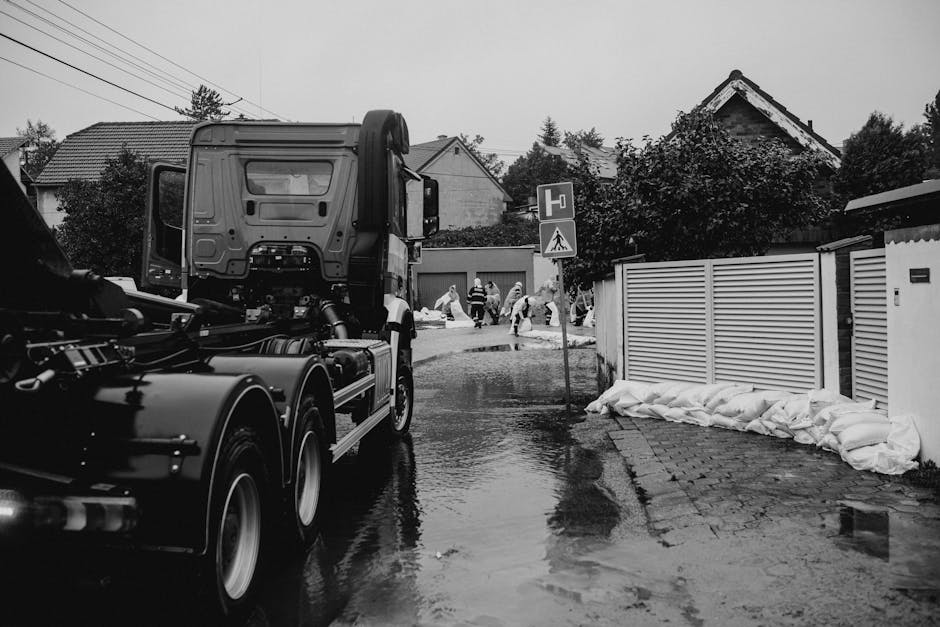
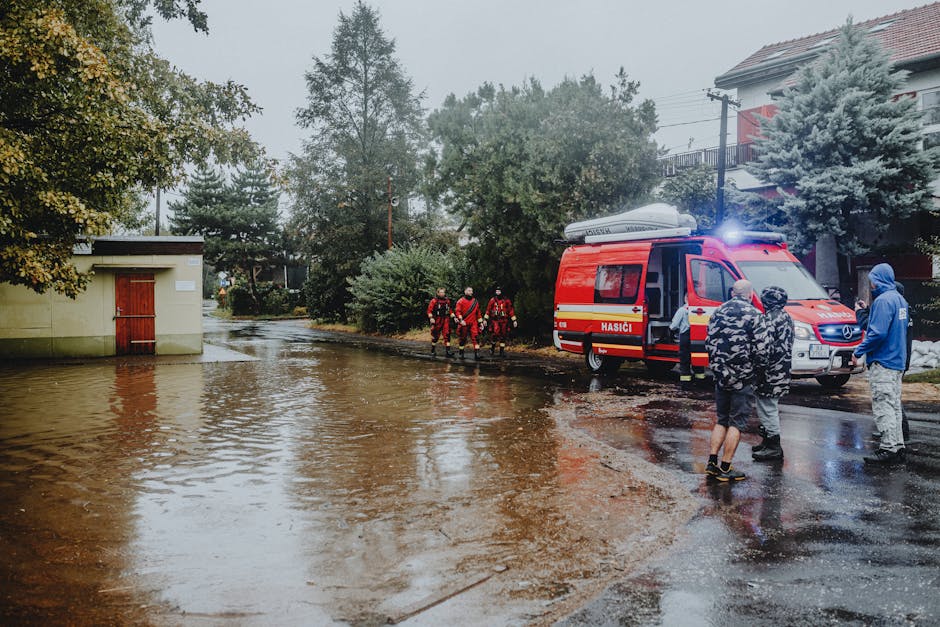
Emergency Flood Cleaning Finchley Fast Response Service
When water gets where it should never be, time suddenly matters. A burst pipe, an overflowing appliance, heavy rain creeping in through a weak point, or a neighbour's leak can turn a normal day into a messy, stressful one fast. If you need an Emergency Flood Cleaning Finchley Fast Response Service, the goal is simple: reduce damage, make the space safe, and get drying and cleaning underway before mould, odour, and structural problems settle in.
This guide explains what emergency flood cleaning involves, how a fast response service usually works, what to expect on the day, and how to avoid the mistakes that often make a bad situation worse. It is written for people who need practical answers right now, but it also helps if you are comparing services and want to know what good looks like. Truth be told, flood clean-ups are rarely tidy affairs. They are noisy, wet, a bit chaotic, and often more urgent than people first realise.
If you are dealing with water damage in a home, rental property, or workplace, the right next step is usually to act quickly, keep safety first, and arrange a professional assessment. If you also need broader cleaning support after the initial incident, services such as deep cleaning, carpet cleaning, or office cleaning may become part of the recovery plan.
Table of Contents
- Why Emergency Flood Cleaning Finchley Fast Response Service Matters
- How Emergency Flood Cleaning Finchley Fast Response Service Works
- Key Benefits and Practical Advantages
- Who This Is For and When It Makes Sense
- Step-by-Step Guidance
- Expert Tips for Better Results
- Common Mistakes to Avoid
- Tools, Resources and Recommendations
- Law, Compliance, Standards, or Best Practice
- Options, Methods, or Comparison Table
- Case Study or Real-World Example
- Practical Checklist
- Conclusion
- Frequently Asked Questions
Why Emergency Flood Cleaning Finchley Fast Response Service Matters
Flood water is not just "extra water". It can carry dirt, bacteria, silt, detergent residue, food waste, or unpleasant odours, depending on where it has come from. Even clean-looking water can soak into skirting boards, under flooring, beneath furniture, and into carpet backing before you have had a chance to blink. That is where the real damage often starts.
In a Finchley property, a fast response matters because indoor spaces are full of materials that trap moisture: carpet underlay, plasterboard, timber, laminate joints, upholstery, curtains, and insulation. The longer these stay damp, the greater the risk of staining, warping, smell, and mould growth. You do not need to panic. But you do need to move quickly. Very quickly, in some cases.
There is also a practical side that people sometimes overlook. Water damage can interrupt family routines, rental obligations, business operations, and handover deadlines. If you manage a property and the issue affects common areas, coordinated support may also involve communal area cleaning or, where clutter and damaged items have piled up, house clearance. The right service does not just remove water; it helps restore order.
Key point: the first 24 hours often shape the whole recovery process. That does not mean everything must be fixed immediately, but it does mean the response should be organised, safe, and thorough.
How Emergency Flood Cleaning Finchley Fast Response Service Works
A proper emergency flood clean-up is usually a sequence of actions, not a single tidy job. A trained team will typically begin by assessing the source and extent of the water. Is it from clean supply water, surface runoff, or something more contaminated? Is electricity involved? Are floors lifting? Is the affected area contained or spreading into adjacent rooms?
Once the site is checked for immediate hazards, the service normally focuses on water extraction, removal of saturated materials where necessary, and targeted cleaning of affected surfaces. In many cases, specialist equipment is used to speed up drying and reduce lingering moisture. That might include air movers, dehumidification, or careful ventilation planning. The actual methods depend on the materials involved and how far the water has travelled.
After the visible water is gone, cleaning becomes more detailed. Floors, corners, door frames, lower walls, and soft furnishings may need treatment to remove silt marks, odours, and residue. If carpets or upholstery have been affected, linked treatments such as steam carpet cleaning, upholstery cleaning, or pet stain odour removal may be recommended where appropriate. Not every flood needs all of those, of course, but water damage rarely stops at one visible patch.
In a decent fast-response job, you should expect communication as much as cleaning. Clear explanation, next steps, and sensible expectations. No drama. No guesswork. Just a steady plan.
Key Benefits and Practical Advantages
Emergency flood cleaning is about damage control, but the benefits go beyond drying things out. A good response can protect floors, furniture, finishes, and the health of the people using the space. It can also reduce the chance that a small water incident becomes a much larger repair bill later.
- Faster containment: limits how far water spreads into rooms, hallways, and concealed spaces.
- Reduced secondary damage: helps prevent swelling, staining, odours, and mould-friendly damp pockets.
- Safer return to use: less slip risk, fewer hidden wet patches, and cleaner surfaces.
- Better salvage rates: more materials can sometimes be saved if they are treated promptly.
- Less disruption: particularly useful for families, landlords, letting agents, and businesses.
- More accurate assessment: a professional eye can distinguish between cleanable damage and materials that may need removal.
There is a quieter benefit too: peace of mind. If you have ever stood in a wet hallway at 10pm with towels everywhere and the faint smell of damp beginning to rise, you will know that calm, practical help matters. It really does.
Where the flood has affected a wider property refresh, you may also find related services useful, such as move-out cleaning, move-in cleaning, or end of tenancy cleaning. That is especially relevant if the clean-up is tied to a tenancy deadline or a property handover.
Who This Is For and When It Makes Sense
This service is useful for homeowners, tenants, landlords, estate managers, letting agents, business owners, and facilities teams. The common thread is urgency. If water is actively spreading, if floors are soaked, or if there is a smell that was not there this morning, it makes sense to act quickly rather than wait and hope it dries on its own. Hope is not really a water damage strategy.
Typical situations include:
- burst pipes or valve failures
- washing machine, dishwasher, or boiler leaks
- roof or gutter overflow entering interior rooms
- rainwater ingress after heavy weather
- toilet overflows or waste-water incidents
- ground-floor seepage into hallways or storage spaces
- commercial spillages that affect foot traffic or stock areas
For business premises, a faster response can help you reopen parts of the building sooner and keep staff safe. If the area is an office, reception, or shopfront, it may be sensible to combine flood clean-up with commercial cleaning once the immediate drying stage is complete.
It also makes sense to call for help if you are unsure about the source of the water, if you can smell damp but cannot see the extent of it, or if the affected materials are expensive to replace. That hesitation is understandable. Flood damage has a sneaky way of looking smaller than it is.
Step-by-Step Guidance
If you are waiting for a fast response team, or you are deciding what to do before they arrive, this basic sequence will help.
- Make the area safe. If there is any electrical risk, do not step into standing water. Keep people away and avoid moving into rooms where you cannot see the floor clearly.
- Stop the source if you can do so safely. A shut-off valve, appliance switch-off, or moved bucket can sometimes reduce the spread. If it is not safe, leave it.
- Remove easy-to-save items. Dry towels, small rugs, papers, cushions, and lightweight items can often be moved first. If furniture is already soaked, do not drag it across delicate floors if you can avoid it.
- Document the damage. Take a few photos for your records before major movement starts. That can help later with insurers, landlords, or building management.
- Begin ventilation where appropriate. Open windows only if it is safe and sensible, especially in dry weather. Sometimes cross-ventilation helps; sometimes it just spreads the problem. Use judgement.
- Call a professional flood cleaning service. They can assess what can be cleaned, what must be dried, and what may need careful removal.
- Follow the drying plan. Once work begins, keep an eye on humidity, smells, and any new staining. Damp can return quietly if the drying stage is rushed.
If the incident has left stubborn marks on hard surfaces or an unpleasant residue line near the floor, later treatment may include hard floor cleaning or, if the property needs a broader reset, one-off cleaning. Different materials need different handling. That part matters more than most people think.
Expert Tips for Better Results
Good flood recovery is often about avoiding avoidable mistakes. A few small decisions early on can save a lot of trouble later.
- Act before odour sets in. A faint musty smell can appear sooner than expected, especially in carpeted rooms or enclosed cupboards.
- Lift absorbent textiles early. Curtains, runners, rugs, and soft furnishings can wick moisture upward. If they stay in contact with wet surfaces, the damp travels.
- Do not over-dry one surface and ignore another. A visible area may feel dry while underlay or the base of a cabinet is still damp.
- Use the right cleaning method for the material. Wood, laminate, tile, vinyl, plaster, and fabric all respond differently. What helps one can damage another.
- Keep foot traffic down. Every extra step can spread dirt, press moisture deeper, or create new marks.
In our experience, people often want to "tidy the mess" before the space is truly dry. Fair enough, it is human instinct. But it is usually better to prioritise extraction, drying, and safe access before cosmetic cleaning. Otherwise you can end up polishing a problem into place.
If the flood has affected upholstery or fabric-heavy spaces, supporting services like sofa cleaning, curtain cleaning, or mattress cleaning may also help, provided the materials are suitable for treatment and not structurally damaged.
Common Mistakes to Avoid
Flood situations bring out a lot of well-meant but risky behaviour. A few common mistakes are worth calling out plainly.
- Ignoring hidden moisture. If water has entered under flooring or behind furniture, the visible part is only half the story.
- Using the wrong cleaner too soon. Harsh chemicals on damp surfaces can set stains or cause damage before the substrate is stable.
- Rushing to relayout furniture. Pushing everything back in place before drying is complete can trap moisture and create more odour.
- Assuming the smell will disappear by itself. Sometimes it will. Often it will not, especially if the source water was contaminated or the underlayers were missed.
- Delaying professional help. A day or two can make a real difference to recovery costs and outcomes.
Another one, and this is a big one: do not forget about the surrounding rooms. Water rarely respects neat borders. It sneaks along thresholds, under skirting, and through tiny gaps where you would not expect it. A careful check across neighbouring spaces is usually worth it.
Tools, Resources and Recommendations
You do not need a warehouse full of kit to handle the first response, but a sensible set of tools helps. For most property owners, the immediate priorities are control, safety, and drying.
| Tool or resource | What it helps with | When it is useful |
|---|---|---|
| Absorbent towels and cloths | Initial surface water removal | Right away, before specialist equipment arrives |
| Wet vacuum or extraction equipment | Removing pooled water from hard surfaces | For larger spills or saturated flooring |
| Fans or air movers | Supporting airflow and drying | After the worst water is removed |
| Dehumidification | Reducing moisture in the air and materials | Especially useful in enclosed or humid spaces |
| Protective gloves and footwear | Personal safety during clean-up | Any time water quality is uncertain |
| Professional assessment | Determining what can be saved safely | Whenever water has spread beyond a small patch |
For broader property care after a flood, it may help to keep a note of services you already use or may need later, such as domestic cleaning, regular cleaning, or stain removal. Once the emergency has passed, returning to a stable cleaning routine makes the property easier to manage.
A practical recommendation: keep a simple record of what was affected, what was moved, and what was cleaned. It sounds minor. It is not. Those details can save confusion later, especially if the damage spreads over more than one room or one visit.
Law, Compliance, Standards, or Best Practice
Flood cleaning is not just about appearance. In the UK, good practice also includes safe working, sensible handling of contaminated water, and care around electrical and slip hazards. If a property is shared, let's say a block corridor or a business entrance, there may also be duties around safe access and keeping routes clear.
While specific legal responsibilities can vary depending on the property type and who is responsible for the affected area, a few principles are widely sensible: isolate hazards, avoid unnecessary exposure to dirty water, use appropriate personal protective equipment, and do not ignore signs of concealed damp. If in doubt, a careful, documented approach is better than a rushed one.
For landlords, managing agents, and business owners, the best practice is usually to communicate early, keep written notes, and make sure any response team is insured and understands health and safety expectations. If you are comparing providers, it is reasonable to ask how they handle risk, what their cleaning plan looks like, and whether they can explain the drying stage clearly. Confidence is good. Clarity is better.
You can also review service standards and policies that show how a company approaches safe working and customer care, including insurance and safety, health and safety policy, and terms and conditions. That kind of information is boring until you need it. Then it becomes very interesting indeed.
Options, Methods, or Comparison Table
Different flood situations need different responses. A small clean-water spill in a kitchen is not the same as a soaked hallway after storm ingress. Here is a simple comparison that may help.
| Method | Best for | Strengths | Limitations |
|---|---|---|---|
| DIY towel-and-fan drying | Very small, shallow spills | Fast, cheap, immediate | Often insufficient for hidden moisture or saturated materials |
| Targeted professional flood cleaning | Room-level incidents or repeated leaks | Better extraction, cleaning, and moisture control | May still need follow-up checks if damage is extensive |
| Flood recovery plus deep cleaning | Properties needing full reset after water damage | Addresses dirt, stains, and odours together | Takes more time and planning |
| Flood recovery plus specialist fabric care | Carpets, sofas, rugs, and curtains affected by water | Can preserve more furnishings | Not suitable for every material or contamination type |
There is no universal "best" method. The right choice depends on water type, saturation level, how long it has been there, and what the materials are made of. A quick answer can be convenient, but the honest answer is usually more helpful.
Case Study or Real-World Example
Imagine a Finchley terrace on a damp Thursday morning. A washing machine hose fails overnight and water tracks from the utility space into the hallway. By the time it is noticed, the floor feels soft near the edge, one rug is saturated, and there is a smell that is not quite pleasant, not quite obvious either. The owner's first instinct is to mop, open windows, and move on with the day.
That works for about five minutes. Then the carpet underlay starts holding moisture, the wood trim darkens slightly, and the smell lingers by lunch. A fast-response clean-up changes the picture: standing water is extracted, the affected textiles are removed for assessment, the hallway is cleaned carefully, and drying equipment is introduced before hidden moisture can spread. The end result is not just a cleaner room; it is a room that can recover properly.
That is the real value of emergency flood cleaning. It buys time, then uses that time well. Simple as that.
Practical Checklist
Use this quick checklist if you are dealing with water damage now or preparing for a response visit.
- Check for electrical hazards before entering the area
- Stop the leak or source only if it is safe to do so
- Move people, pets, and valuables away from the wet zone
- Take a few photos for records
- Remove loose absorbent items where possible
- Keep walkways clear and reduce foot traffic
- Arrange a fast response assessment
- Ask what will be cleaned, dried, and monitored
- Watch for odour, staining, and soft spots over the next day or two
- Follow up if damp returns or surfaces do not dry evenly
Expert summary: the best flood clean-up is usually calm, structured, and a little bit boring. That is a good thing. You want fewer surprises, not more.
If you are ready to speak with a local team, the most sensible next step is to review service details, ask about response time, and check practical information on pricing and quotes, about us, and contact us.
Conclusion
Emergency flood cleaning is one of those services you hope you never need, but when you do need it, you need it properly. Fast response matters because water keeps moving, materials keep absorbing, and hidden damage can build quietly under the surface. The best results come from quick action, careful assessment, and the right cleaning method for the actual problem in front of you.
Whether the incident is a small spill in a flat or a larger water ingress affecting several rooms, Finchley property owners benefit from a response that is steady, well-equipped, and realistic about what can be saved. That balance matters. Panic helps no one. A plan helps everyone.
Get a free quote today and see how much you can save.
And if today has been a difficult one, take a breath. The mess can be handled, the space can be made safe again, and things do settle back down.
Frequently Asked Questions
How quickly should emergency flood cleaning start after water damage?
As soon as it is safe to do so. The earlier the response, the better the chance of reducing staining, odour, and hidden damp. Even a short delay can change how much material can be salvaged.
What should I do first after finding flooding in my property?
Prioritise safety. Check for electrical risk, keep people away from standing water, stop the source if you can do so safely, and then arrange a professional assessment.
Can flood-damaged carpet be cleaned, or does it always need replacing?
It depends on the water type, how long the carpet has been wet, and the condition of the underlay. Some carpets can be cleaned and dried successfully, while others may be beyond practical recovery.
Is flood water always dangerous?
Not always, but it should always be treated carefully. Even water that looks clean can carry contaminants or create slip and electrical hazards. When in doubt, assume caution is needed.
Will a fast response service also remove the smell?
Often, yes, if the source of the odour is addressed properly. Odour can come from trapped moisture, residue, or affected textiles, so cleaning and drying both matter.
Do I need professional flood cleaning for a small leak?
If the leak is tiny and fully visible, you may be able to manage it yourself. But if water has reached carpet, flooring joins, cupboards, or wall bases, a professional check is usually wise.
How do I know if hidden damp is still present?
Signs include lingering odour, soft or swollen materials, uneven drying, or a cold damp feeling near skirting and floor edges. Sometimes the only clue is a smell that refuses to go away.
Can flood cleaning be combined with other cleaning services?
Yes, depending on what was affected. After the emergency stage, services like deep cleaning, carpet cleaning, upholstery cleaning, or one-off cleaning may be useful to restore the property fully.
What if the flooding happened in a business or office?
A commercial response is often needed because staff safety, access routes, and reopening times all matter. In those cases, a coordinated plan with commercial cleaning support can be a sensible next step.
Should I move furniture back straight away after drying starts?
Usually not. Furniture should only be returned once the area is properly dry and any damp underneath has been checked. Putting items back too early can trap moisture and cause more trouble later.
What makes a good flood cleaning company in Finchley?
Look for clear communication, sensible safety advice, relevant cleaning experience, and transparent information on insurance, pricing, and process. A good service should explain what happens next without making it sound more dramatic than it is.
How can I reduce the chance of future flooding?
Regular property checks help. Keep an eye on hoses, seals, gutters, and drainage, and do not ignore small leaks. If the incident was linked to broader maintenance issues, follow-up services like gutter cleaning or facade cleaning may be worth considering where relevant.